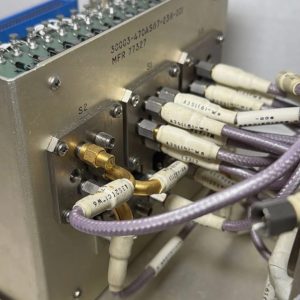
The Aviation Switching Module – NSN 4920-01-250-2696 (AS-IS / Untested) may be suitable for bench evaluation, training displays, component research, restoration work, parts harvesting, or inventory replacement after exact application verification.
An Aircraft Switching Module and Aerospace Switching Module should be treated as specialized equipment rather than universal components that can be connected to any aircraft electrical system.
An Aircraft Electrical Switching Module can have commercial value for technicians, while an Aviation Electrical Control Module or Aerospace Electrical Control Unit requires qualified bench evaluation before operational consideration.
Whether described as an Aviation Control Module, Aircraft Switching Unit, Aerospace Power Distribution Module, Aircraft Electrical Control Unit, or Aviation Power Control Module, the component should remain identified primarily by its NSN and physical markings.
Key Details of the Untested Switching Module
The seller should provide clear photographs of every label, marking, connector, switch, control, mounting point, enclosure surface, and included accessory.
An identification plate should not be removed, repainted, altered, or covered because it may provide the strongest evidence of the component’s origin.
Buying an Untested Aviation Module
Internal faults, missing components, damaged wiring, corrosion, previous modification, storage deterioration, or electrical failure may be present even when the exterior appears clean.
Bench testing should begin only after technical documentation, circuit protection, connector identification, and safe power requirements are established.
Aircraft Circuit Selection Equipment
The product page should avoid assigning a cockpit, power-distribution, test-set, or mission-system function without evidence.
Missing knobs, guards, labels, connectors, covers, or fasteners may reduce completeness.
Aerospace Switching Module Construction
Age, handling, impact, humidity, temperature changes, contamination, and long-term storage can affect both mechanical and electrical condition.
Unknown connectors should not be forced into visually similar plugs.
Evaluating Aircraft Electrical Components
Discoloration near connectors or switches may indicate electrical heat, chemical exposure, or ordinary aging and should be investigated.
If the enclosure is opened for professional inspection, the process should be documented with photographs and organized hardware control.
Maintaining Electrical Control Equipment
The module may interact with relays, switches, indicators, sensors, power sources, test connections, or other control equipment.
Careful preservation supports future study and accurate Aviation Electrical Control Module documentation.
Power Switching Module Inspection
Current capacity, voltage, duty cycle, contact type, protection requirements, and load characteristics should be confirmed before testing.
Power-input and output terminals should be checked for looseness, heat discoloration, corrosion, damaged insulation, and unsuitable previous repair.
Electrical Control Unit Restoration
Troubleshooting requires a logical sequence based on technical information rather than random power application.
Undocumented modifications can make future troubleshooting and identification more difficult.
Choosing an Aircraft Signal Switching Module
An Aircraft Signal Switching Module may route low-level, control, communication, measurement, or test signals between compatible equipment website channels.
Shielding, grounding straps, connector shells, cable clamps, and enclosure bonding can influence signal performance where included in the original design.
Choosing an Aviation Control Module
An Aviation Control Module should be treated as one component within a larger system rather than a standalone universal controller.
Every marking should be recorded before purchase or installation planning.
Aircraft Switching Unit for Maintenance or Restoration
A complete but untested unit may have different value from an incomplete component known to contain damage.
Technical schools may use a de-energized module to demonstrate connector inspection, switch construction, equipment identification, documentation research, or safe troubleshooting planning.
Power Distribution Module Inspection
An Aerospace Power Distribution Module generally manages or routes electrical power among compatible circuits, although the exact function of this NSN should not be assumed without supporting information.
Bent brackets, enlarged holes, missing fasteners, or distorted mounting surfaces may complicate restoration.
Aircraft Module Functional Evaluation
The inspection should distinguish cosmetic wear from damage that may affect electrical operation or mounting.
Functional evaluation should proceed in stages, beginning with research and non-powered inspection before controlled electrical testing.
Untested Aviation Power Equipment
Broad market keywords can support discovery while the technical description remains precise.
Warning labels should remain visible and legible.
Maintaining Aerospace Switching Equipment
A single module removed from the system may not be testable through ordinary standalone methods.
The module should not be blamed until related wiring and equipment are considered where the original system is available.
Preserving Military Aviation Equipment
Connector caps should remain fitted, and the module should be supported without placing pressure on switches, knobs, cables, or mounting brackets.
Original packaging should receive additional protection rather than being used as the only shipping container.
Commercial Inspection of an Electrical Module
AS-IS equipment may offer attractive value when the purchaser has the knowledge and resources required for evaluation.
Remote buyers should request current photographs of the actual unit instead of relying on catalog images or pictures of similar equipment.
NSN 4920-01-250-2696 Buying Checklist
The buyer should request enough information for an aviation electronics technician, aerospace-equipment specialist, or experienced surplus buyer to evaluate the unit.
- Resolve identity, configuration, application, and package-completeness questions before payment.
- Inspect switches, knobs, indicators, connectors, pins, wiring, and terminals for damage, looseness, contamination, overheating, or unauthorized repair.
- Report shipping damage, missing accessories, identification differences, undisclosed repairs, or altered condition promptly.
Testing the Aviation Switching Module
A methodical process reduces the risk of damaging rare aviation equipment.
Partial operation should not be presented as complete certification, calibration, or airworthiness.
Restoring the Aerospace Switching Module
Replacement parts should be selected according to electrical rating, mechanical fit, material, environmental requirements, and original design intent.
Every repair should record the date, technician, fault found, parts replaced, measurements, testing performed, and remaining limitations.
Buying NSN 4920-01-250-2696
The Aviation Switching Module – NSN 4920-01-250-2696 (AS-IS / Untested) offers stronger commercial appeal when its markings, controls, connectors, enclosure, accessories, history, and limitations are documented accurately.
Careful technical and commercial evaluation can reduce equipment damage, incompatible purchases, missing-accessory costs, testing hazards, and restoration delays.
Whether the requirement is an Aircraft Switching Module, Aerospace Switching Module, Aircraft Electrical Switching Module, or Aviation Electrical Control Module, exact identification should guide the purchase.
With responsible purchasing, NSN research, connector protection, current-limited evaluation, and documented restoration, the component can remain a useful aviation asset.